The Evolving Landscape of Women's Health Supplements USA
For years, the supplement aisle felt like a one-size-fits-all proposition. But women's biology is distinct, and the nutritional demands of a 25-year-old athlete differ wildly from those of a woman navigating perimenopause. That is where the modern approach to women's health supplements USA really starts to make sense. It is not about throwing every vitamin into a pill; it is about precision, quality, and understanding the specific systems at play.
Walking into a health store a decade ago, I remember being overwhelmed by jars promising everything from boundless energy to perfect skin. But what I really needed was something that addressed my own set of concerns. I was dealing with recurring urinary tract discomfort and my sleep was a mess. The conventional advice was often a generic multivitamin. It took a lot of trial and error, and some expensive mistakes, to learn that targeted support is far more effective than a scatter-shot approach. That is the shift I see now in women's health supplements USA: a move toward formulas that are researched, clean, and designed for real, specific problems.
Why a One-Size-Fits-All Approach Fails Women
Many off-the-shelf supplements are formulated with a generic adult in mind, often using synthetic ingredients or fillers that some women find irritating. For instance, if you have a sensitive stomach or a known allergy, a standard capsule full of binders and artificial flow agents can cause more problems than it solves. That is why the rise of allergy-free supplements and vegan supplements has been so important. It acknowledges that dietary restrictions and sensitivities are not fringe issues; they are common obstacles to consistent wellness.
A friend of mine, who is a registered dietitian, once noted that the best supplement routine is the one you actually keep taking. If a pill upsets your stomach or contains an allergen like gluten or soy, you are not going to stick with it. The market has responded by offering non-hormonal supplements that rely on plant-based and mineral-based ingredients. This is particularly relevant for women who cannot or prefer not to use hormonal therapies for conditions like menopause symptoms or hormonal acne.
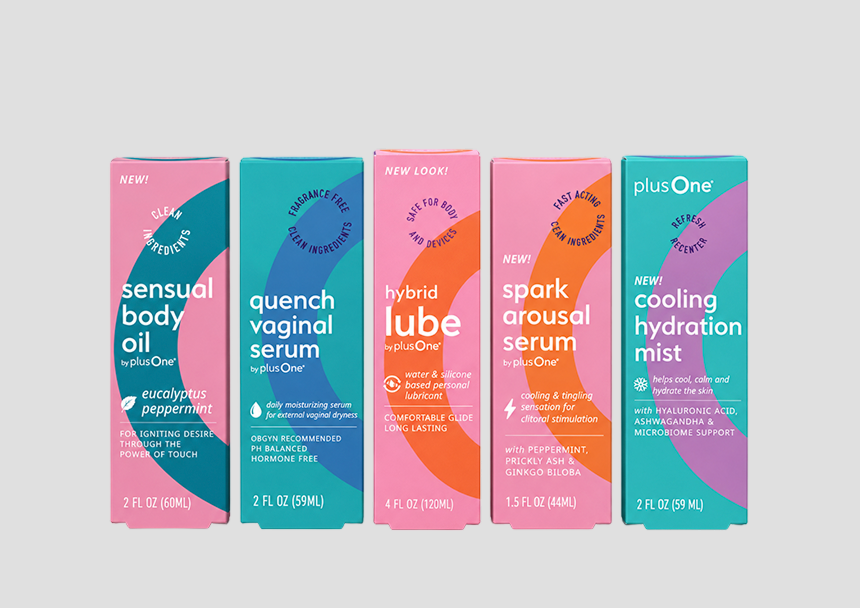
The Science Behind the Smart Supplements
When I dug into the research for my own routine, I was surprised by how much credible science there is behind certain ingredients. For example, cranberry extract and D-mannose have become staples for intimate health. They work by preventing bacteria from adhering to the urinary tract lining, which is a completely different mechanism from antibiotics. These are not just home remedies; the National Institutes of Health has funded studies on D-mannose, and Women's Health Magazine has covered its effectiveness extensively.
Probiotics for women have also moved beyond a trendy buzzword. Specific strains, such as Lactobacillus reuteri and Lactobacillus rhamnosus, are now included in formulas aimed at supporting vaginal flora and overall intimate health. This is a space where the difference between a cheap probiotic and a high-quality, refrigerated capsule is night and day. A quality product will list the specific strains and the colony-forming units (CFUs) guaranteed through the end of the shelf life, not just at the time of manufacture.
Sleep Support That Actually Works
Sleep is another area where women's needs are distinct. Hormonal fluctuations throughout the menstrual cycle and during perimenopause can severely disrupt sleep architecture. I have tried everything from heavy blankets to white noise machines, but the most reliable support I have found comes from a combination of magnesium glycinate and melatonin. Magnesium glycinate is a highly absorbable form of magnesium that does not cause the digestive upset that cheaper forms like magnesium oxide can. It works by calming the nervous system and relaxing muscles.
Melatonin, on the other hand, is a hormone that signals bedtime. But the key is dosage. Many supplements come in 5mg or 10mg doses, which can actually be counterproductive and lead to grogginess. A more effective approach is a low dose, around 0.5mg to 1mg, taken an hour before bed. This is the kind of nuance that separates a thoughtful sleep support supplement from a generic sleep aid.
Managing Menopause Symptoms with Care
Menopause is a massive transition that affects sleep, mood, bone density, and skin elasticity. For women who are looking for non-hormonal supplements, ashwagandha has emerged as a powerful adaptogen for managing stress and supporting adrenal function. It can help regulate cortisol, which often spikes during perimenopause. Combined with vitamin D3 and omega-3 fatty acids, this trio addresses bone health and inflammation, both of which become critical during and after menopause.

Vitamin D3 is particularly important because many women in the USA are deficient, especially those with limited sun exposure. Omega-3 fatty acids, specifically EPA and DHA, support heart health, brain function, and can help reduce the joint pain that often accompanies hormonal shifts. The best formulations will list the exact amounts of EPA and DHA, not just the total fish oil content.
Quality Assurance: What to Look For
One of the most confusing parts of shopping for supplements is sorting through the noise. You see a bottle on the shelf and it looks professional, but how do you know it is safe? This is where third-party testing becomes non-negotiable. Look for USP verification or NSF certification on the label. These certifications mean that an independent lab has verified the product contains what it says on the label and is free from harmful levels of contaminants.
I once bought a cheap brand of vitamin D3 that turned out to contain less than half the stated amount. Since then, I only buy from brands that manufacture in an FDA-registered facility and can provide a certificate of analysis upon request. Companies like MyPlusOne, which focus on non-hormonal, vegan, and allergy-free daily supplements, often go a step further by formulating in small batches and using ingredients that are tested for purity. That level of transparency is worth paying for.
Practical Tips for Building Your Routine
If you are new to targeted supplementation, start with one or two core areas. Do not try to fix everything at once. Here is a quick guide based on what I have learned from my own experience and from speaking with healthcare providers:
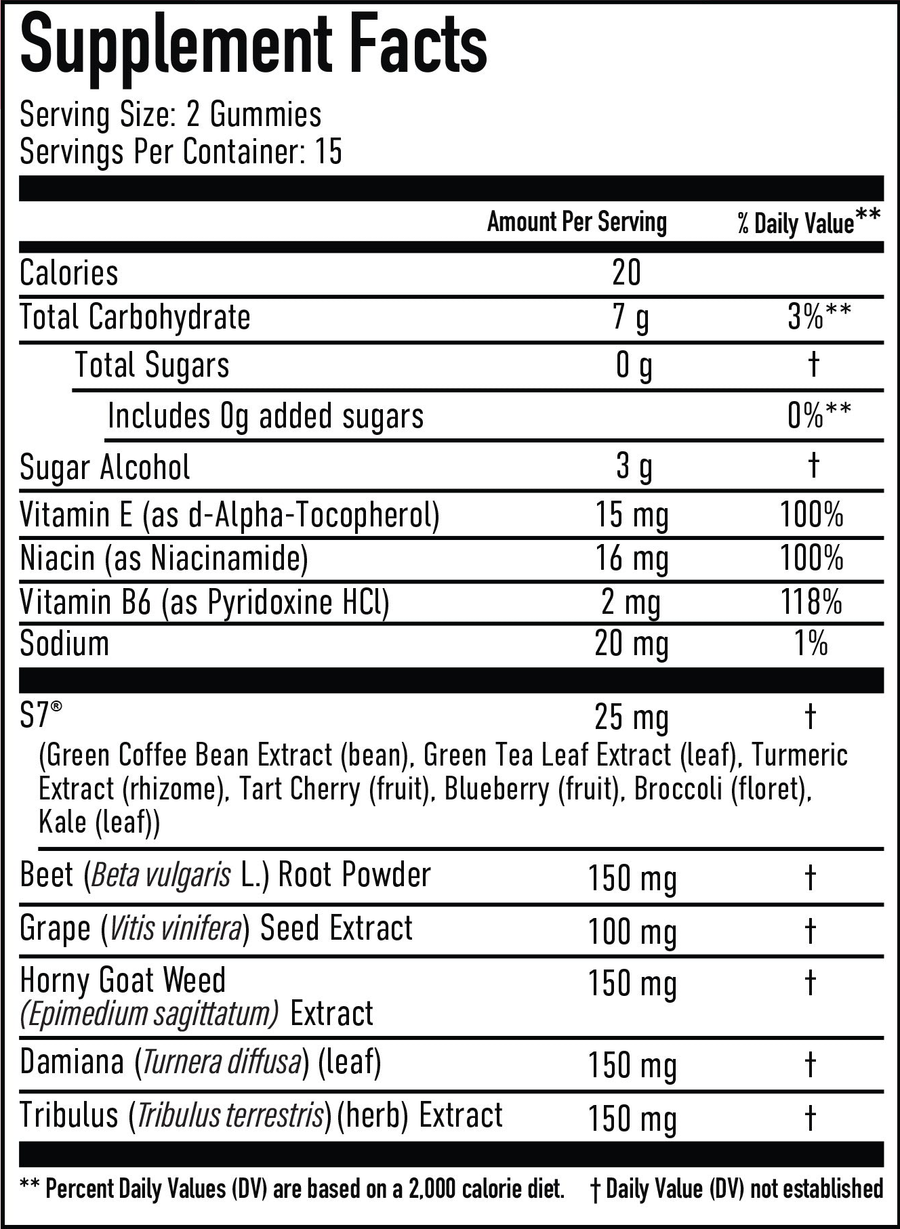
- For intimate health: Look for a formula with D-mannose and cranberry extract. Avoid products with added sugar or artificial sweeteners.
- For sleep: Try a combination of magnesium glycinate and a low dose of melatonin. Avoid high-dose melatonin (5mg+) unless advised by a doctor.
- For menopause symptoms: Ashwagandha for stress, vitamin D3 for bone health, and omega-3 fatty acids for inflammation and heart health.
- For general immunity and energy: A quality probiotic for women plus a vitamin D3 supplement can make a big difference.
- Always check for USP verification or NSF certification to ensure purity and potency.
The Bigger Picture
The conversation around women's health supplements USA has matured. It is no longer about chasing the latest influencer-endorsed powder. It is about understanding your own body, reading labels critically, and choosing products that are backed by science and made with integrity. Whether you are dealing with recurring bladder infections, restless nights, or the hot flashes of perimenopause, there is a targeted, non-hormonal option out there.
Investing in your health is a long game. A good supplement routine, combined with solid sleep, balanced nutrition, and stress management, can make a profound difference in how you feel day-to-day. The key is to be selective, do your homework, and never settle for a product that hides behind vague marketing. Your body deserves ingredients you can trust.